5 min read
iFX EXPO Dubai 2026: The Stablecoin Gold Rush Hits Brokers
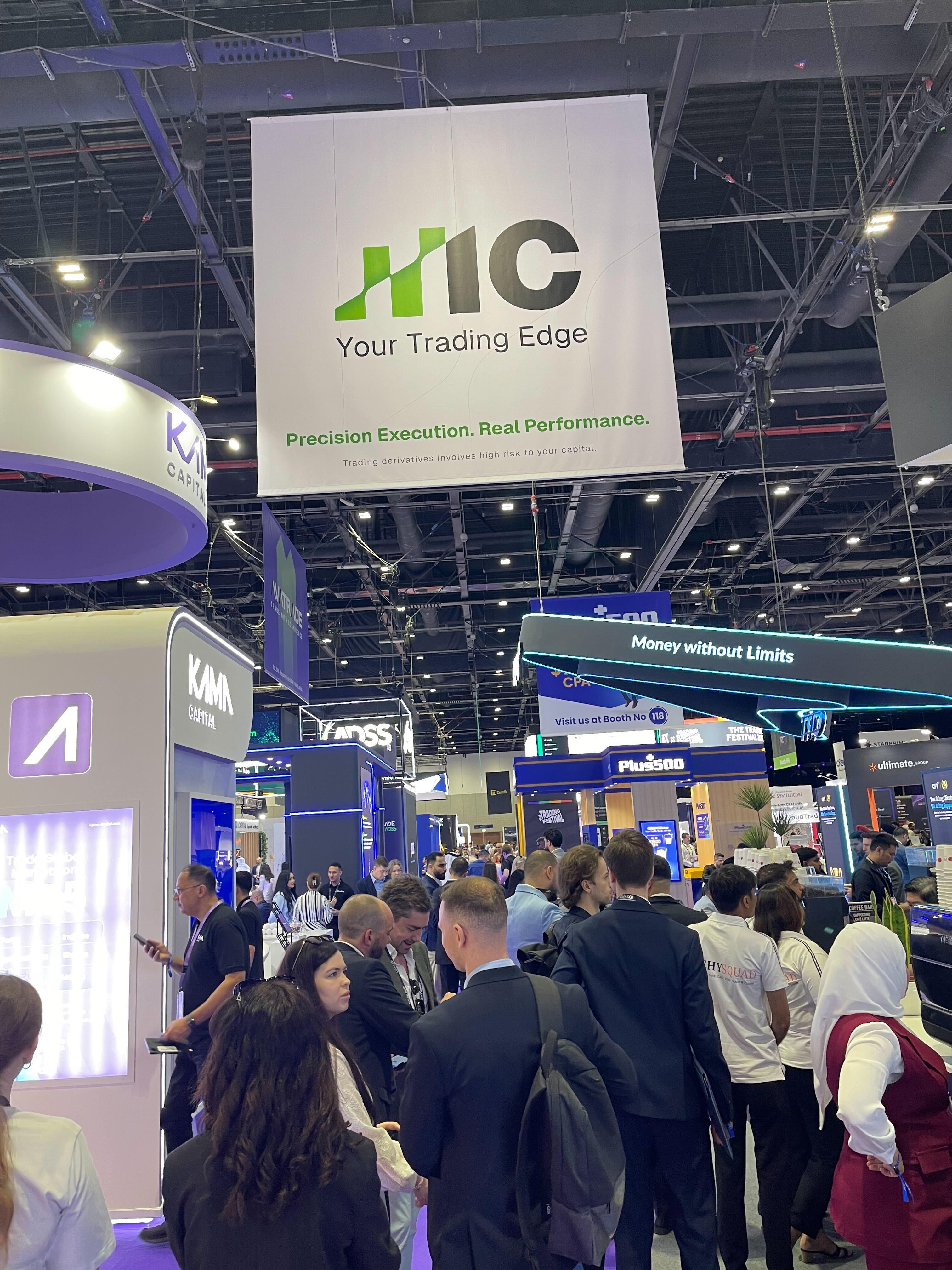
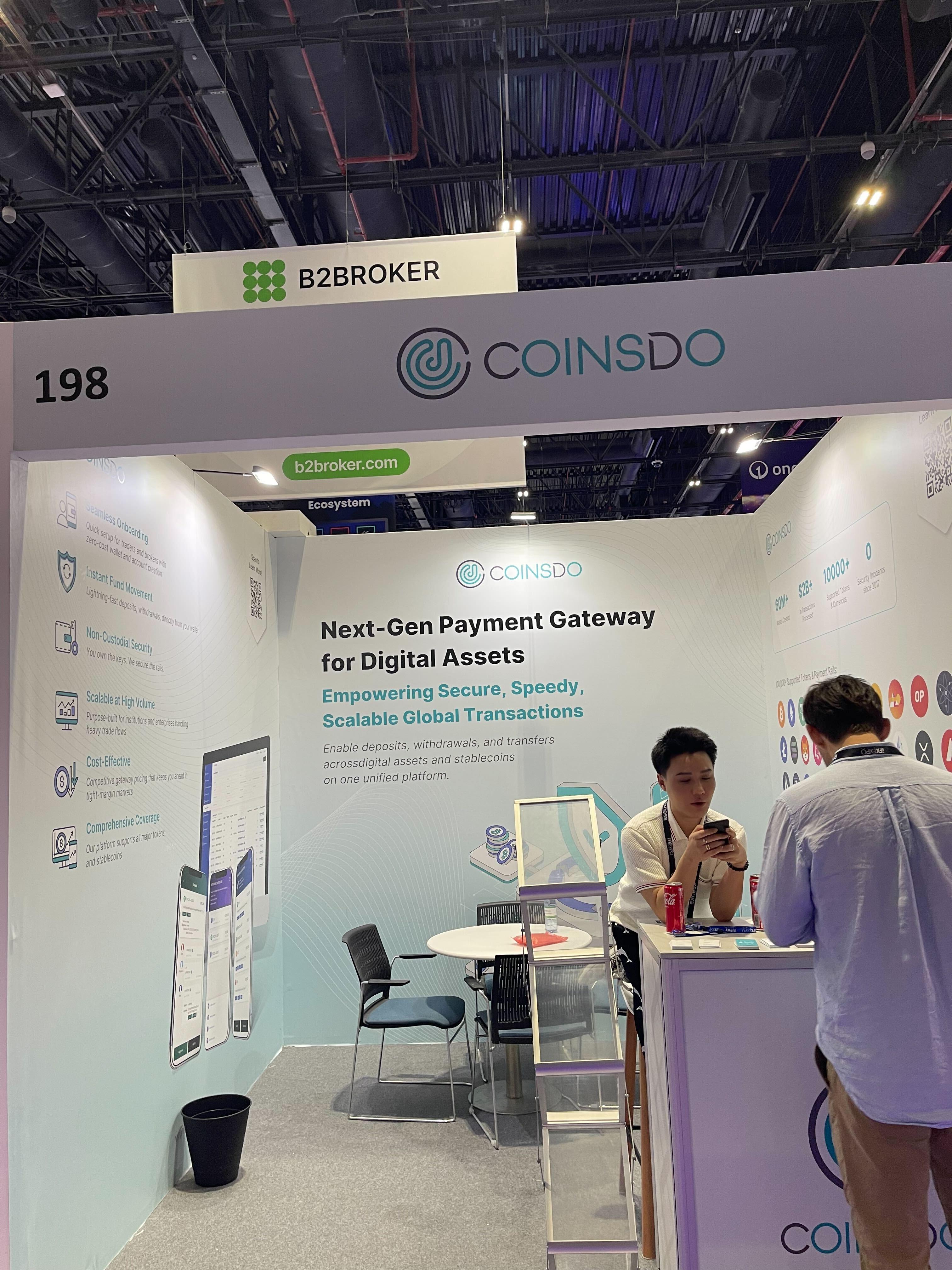
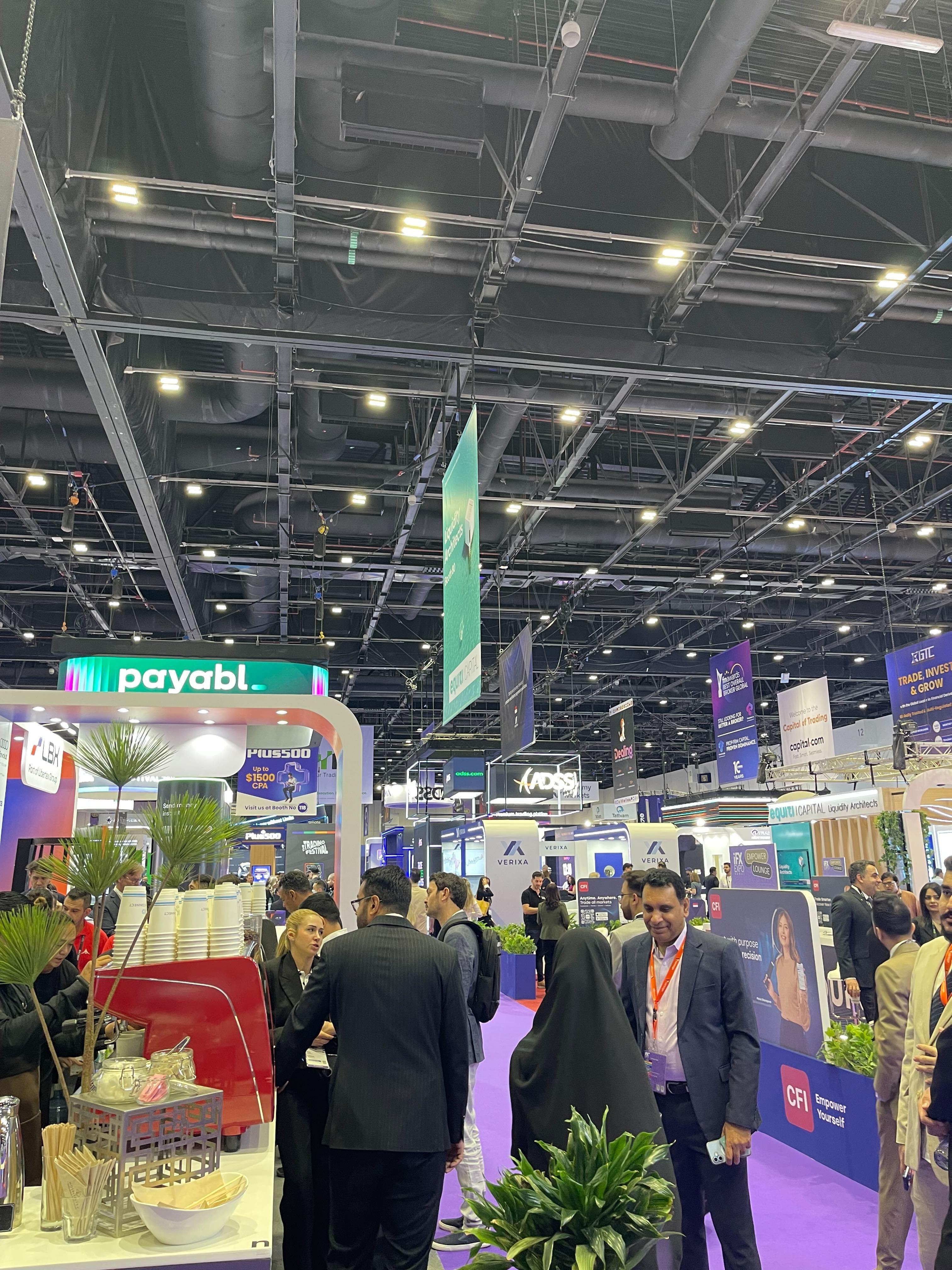
In the second week of February, around 10,000 attendees and over 200 exhibitors filled three days of the Dubai World Trade Center for iFX EXPO Dubai 2026. The headline numbers were standard for the show. What had changed was the booth mix. The forex broker conference had become, without anyone announcing it, a stablecoin payments conference with a forex sidebar.
The numbers underneath the gold rush
The shift is easier to read once you look at the volume. Global stablecoin transaction value reached $33 trillion in 2025, up 72 percent year-on-year, with USDC settling around $18.3 trillion and USDT around $13.3 trillion. Payment-specific stablecoin flows climbed from $5.99 trillion in 2024 to $11.1 trillion in 2025, an 85 percent year-on-year increase. Visa alone hit $3.5 billion in annualised stablecoin settlement volume by the end of November 2025 and was running more than 130 stablecoin-linked card programs across 40-plus countries.
The on-ramp market itself reached around $8.4 billion in 2025, growing at a compound rate above 17 percent. Off-ramps were larger again. These are not numbers that justify three booths on a conference floor. They justify three rows.
Orchestrators are eating the broker payments stack
The conversation across the PSP track was no longer "should brokers offer crypto funding?" It was "which orchestrator are you integrating, and what's their settlement window?" BVNK, Bridge, zerohash, and a long tail of regional players were running demos back-to-back. Every other booth had a stablecoin pitch of some flavour.
The pitch was variations on the same theme. Take a stablecoin deposit in, route fiat out within 24 hours to the broker's settlement bank. Or skip the conversion entirely and let the broker hold a stablecoin balance natively. Replace card-based deposit flows that take three days and bleed 2 to 3 percent in fees with rails that settle in minutes for basis points. For brokers operating in MENA, LATAM, and Southeast Asia, where card networks are slow and expensive, the maths makes itself.
The validation came from outside crypto. Interactive Brokers had announced USDC funding through zerohash in January 2026, with PYUSD and RLUSD in the pipeline. Visa had launched USDC settlement in the United States the previous December. The US GENIUS Act, signed in summer 2025, had given the regulatory cover that domestic banks needed. Brokers who had been on the fence through 2024 stopped asking whether and started asking how.
What brokers were actually trying to solve
The conversations that came up repeatedly were not about ideology. They were about three operational problems brokers had been carrying for years.
The first was deposit and withdrawal latency. Card-based funding lands T+1 to T+3, eats fee revenue, and creates friction at the moment a new customer is most likely to drop off. Stablecoin rails compress that to minutes.
The second was geographic fragmentation. MENA brokers servicing African and South Asian retail had been stitching together regional payment processors to handle local fiat methods, with each integration burning quarters of engineering time. A single stablecoin settlement layer across markets where banking integrations were either expensive or impossible was a structurally different proposition.
The third was treasury. Brokers running multi-currency books were realising that holding stablecoin balances solved problems that had previously required correspondent banking relationships and FX hedging desks. Not all of them, but enough to matter.
The bottleneck the orchestrators don't talk about
The orchestrator pitch is clean on the front end. The mess sits underneath. Every broker integrating crypto funding inherits a custody problem. Where do customer deposits sit between receipt and settlement? Who controls the keys? What happens during a chain reorganisation, a stablecoin freeze, or an exchange counterparty failure?
The orchestrators that were honest about it on the floor pointed to wallet infrastructure providers as a separate line item. The ones that weren't lumped it into the integration fee and hoped the broker's compliance officer didn't ask. For brokers, the real question was not whether to integrate stablecoin funding. It was whether the partner they picked was running the wallet stack themselves, or had outsourced it three layers deep.
What we took back
iFX 2026 wasn't the moment crypto arrived in the broker stack. That happened in fragments over the last few years. It was the moment stablecoin payments stopped being a feature pitch and became table stakes. The PSP gold rush is no longer speculative. The volume tells the story. The interesting question now is who owns the rails underneath when a broker plugs the orchestrator in, because that is where the next round of operational risk is going to surface.