
15 min read
WebX 2026: Japan Reclassified Crypto. Custody Moved With It.
On the second day of WebX 2026, a panel on the CRYL Stage argued about a bill that had not passed yet. Ken Kawai of Anderson Mori & Tomotsune, Kenji Hoki of the Japan DeFi Association and LDP lawmaker Seiji Kihara worked through disclosure obligations and insider trading definitions for an amendment that had cleared the Lower House and was still under deliberation in the Upper House.
It passed the following day, 15 July, and was promulgated on 23 July as Act No. 64 of 2026.
The Act moves crypto asset trading out of the Payment Services Act and into the Financial Instruments and Exchange Act. Most coverage read that as Japan calling crypto a security. It did something narrower and more consequential: it sorted crypto assets by whether anyone can be held responsible for them, and then applied the same test one layer down, to the businesses holding the keys. Custody for others is now a registered financial instruments activity. Wallet system providers, the vendors, are named in Japanese financial law for the first time.
If you operate in Japan or supply someone who does, the clock is already running. The Act commences on a date set by cabinet order within one year of promulgation, so no later than 23 July 2027. Existing exchange operators get six months from that commencement date to file under the new regime, extendable while an application is pending. The FIEA conduct and supervisory rules apply from the first day of that grace period, not the last. One tranche is already in force: penalty increases for unregistered operators and expanded SESC investigative powers took effect 20 days after promulgation.
What the Act actually reclassifies
Japanese crypto assets do not become securities. The FSA positioned them as a separate financial product category sitting alongside securities under the same statute, which is why the drafting had to answer a question securities law never has to ask: who issued this thing?
The answer produced a new legal class, 特定暗号資産, "specified crypto assets". These are crypto assets where a specific person holds the authority to issue. Disclosure obligations attach to that class and only to that class. Bitcoin and Ether, having no identifiable issuer, sit outside the disclosure regime entirely. Tokens issued on permissioned chains, and ERC-20 style tokens with an issuing entity behind them, sit inside it.
For a specified crypto asset, the issuer must publish basic investor information before an offering: trade name, financial condition, the state of its crypto-related business, and the asset's function, supply and underlying technology. Annual and ad hoc disclosure follow. Where a trading operator lists an asset that was never raised through an offering, the operator publishes instead of the issuer. There are exemptions for professional and small-number sales, unpaid distributions, and issuers granted approval on decentralisation grounds.
Stablecoins did not move. They stay under the Payment Services Act as electronic payment instruments, along with prepaid instruments. That boundary matters for anyone building yen-denominated settlement, because the two regimes now sit on either side of it.
Insider trading now has a definition
The same FSA presentation sets out three categories of material non-public information.
The first covers the issuer: dissolution, new issuance, technical specification changes, service suspension, business tie-ups, and serious security incidents. The second covers the trading operator, specifically decisions to begin or stop handling an asset. Listing intent is now inside information. The third covers large traders, with the threshold expected to be set by cabinet order at 20 percent or more of the outstanding supply of a crypto asset.
Insiders of issuers, insiders of operators, large-volume traders and their tippees are all covered. Passing the information along and recommending the trade are prohibited alongside the trade itself. Penalties run to five years imprisonment, a fine of up to 5 million yen, or both, with an administrative surcharge system behind them and criminal investigation powers for the Securities and Exchange Surveillance Commission.
For an exchange, the operational consequence is a listing committee that has to work like a securities issuance desk: information barriers, a restricted list, and a record of who knew what and when.
The obligation that landed on infrastructure
This is the part the conference coverage skipped.
Custody for others, 暗号資産等管理業務, is folded into the new 暗号資産取引業 registration and regulated at a standard equivalent to Type I financial instruments business. A custody-only provider that previously sat under the Payment Services Act now registers under FIEA. Crypto lending from users is captured for the first time. Intermediaries move into the financial instruments intermediary category.
Then the Act goes a layer deeper. Providers of the systems used to manage crypto assets, the wallet software vendors, get their own regime: advance notification to the FSA, a statutory duty of care and sincerity, and information security management obligations. Registered trading operators may only use a notified provider. Notified providers can be issued business improvement orders and, at the outer end, discontinuation orders.
Read that as a procurement rule, because that is how it will function. A Japanese exchange evaluating a wallet vendor is no longer only asking about key architecture and SOC 2. It is asking whether that vendor has filed, and what happens to the exchange's withdrawal pipeline if the FSA orders the vendor to fix something. A vendor that has never filed anything with a Japanese regulator now has a filing to make before it can be bought.
The existing custody controls carry over. Cold wallet management in principle, customer asset segregation maintained, and a new financial instruments transaction reserve sized to trading volume, with the accrual rate to be set by cabinet office ordinance. The December 2025 working group report that produced the Act contemplated insurance as a substitute or complement, which is worth watching for anyone pricing custody risk.
The trade: a tax cut that arrives after the compliance bill
Japan's separate 20.315 percent taxation on crypto gains was already law before WebX. It passed the Diet on 31 March 2026 as part of the income tax amendments: 15 percent national, 2.1 percent reconstruction surtax, 5 percent local inhabitant tax, replacing miscellaneous income treatment that reached a combined 55.945 percent at the top. Losses carry forward three years against gains on other specified crypto assets, subject to conditions.
The commencement clause is what makes it awkward. On EY's reading, the rate applies to transfers made on or after 1 January of the year following the year the amended FIEA takes effect. If commencement lands in 2027, the first taxable year is 2028. The compliance cost arrives first. The tax relief arrives roughly a year later, and only for assets registered as specified crypto assets.
On stage, Kihara described the tax and ETF authorisation as the carrot against the stick of compliance cost. Kawai's observation was sharper: the carrot and the stick do not land on the same parties. Investors get the rate cut. Operators pay for the regime. On a separate panel, Noriyuki Hirosue of bitbank was direct about why the industry accepted the move anyway, saying separate taxation was conditional on the FIEA migration. The panellists also put the scale of the underlying problem on record, roughly 14 million crypto accounts in Japan against around 50,000 people actually filing.
No crypto ETF has been approved. The Act removes a legal obstacle to one. Nikkei-sourced reporting from January puts the first listings at 2028 at the earliest, with Nomura and SBI developing products that have no approval. Hoki called ETF authorisation the hidden sub-theme of the amendment, which is a fair reading of why the industry stopped resisting.
What was actually happening on the stablecoin side
Satsuki Katayama, Minister of Finance and Minister of State for Financial Services, gave the CRYL Stage keynote in person. Prime Minister Sanae Takaichi appeared by video and announced nothing new, despite what several syndicated write-ups implied.
Katayama's substance was the FSA's payments project. Three workstreams: joint stablecoin issuance by the three megabanks with cross-border settlement on top, interbank settlement for tokenised deposit transfers, and on-chain settlement for JGBs and other securities. She noted the first trust-type yen stablecoin launched in June 2026, and that tokenised deposits are already circulating as local currency. Japan's first yen stablecoin, JPYC, had begun issuance in October 2025 under the Payment Services Act.
The megabank session was more revealing than the ministerial one. Asked whether stablecoins or tokenised deposits were the priority, the digital heads of MUFG, Mizuho and SMBC all said both. Mizuho was candid about why: the bank would prefer tokenised deposits, but a stablecoin circulating outside its own economic zone is a deposit outflow risk. SMBC argued for joint issuance on the grounds that three separate megabank coins would be an administrative mess for corporate treasurers. The three signed a basic agreement on 10 June to form a council, targeting live transactions during fiscal 2026, which ends 31 March 2027. That is a council, not a launch.
One detail from Hirosue's panel is worth more than most of the keynotes. bitFlyer and bitbank, two of Japan's largest licensed exchanges, cannot send crypto to each other in either direction, because one uses TRUST for Travel Rule messaging and the other uses Sygna. Japan is about to run a securities-grade regime on top of an interoperability layer that does not connect its two biggest domestic venues.
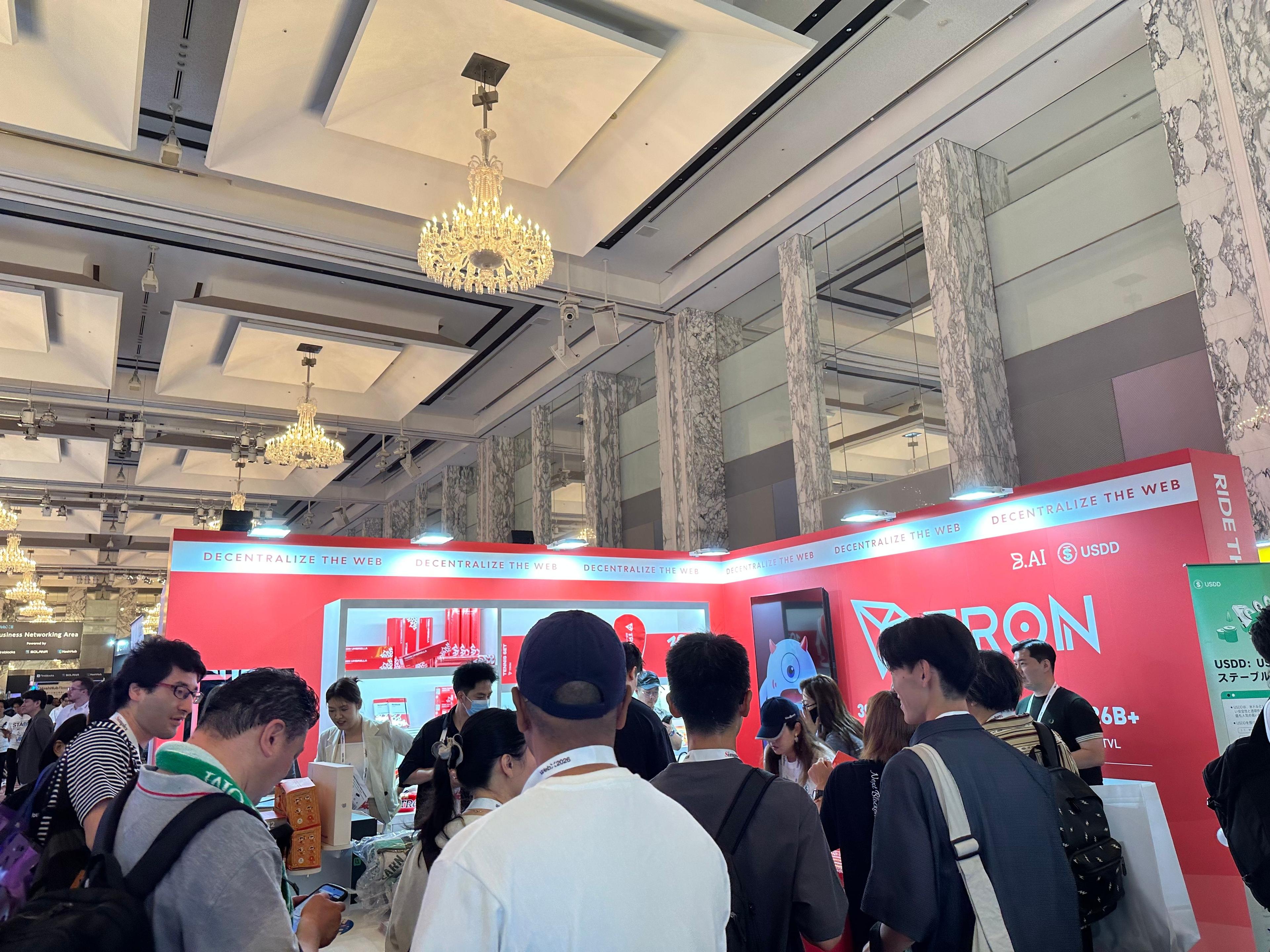
WebX itself drew 13,641 attendees from more than 90 countries across 70-plus side events, according to organiser CoinPost. The same release's boilerplate puts 2025 at over 14,000. The conference did not grow this year. The regime it was discussing did.
What to watch
The cabinet order fixing the commencement date, due by 23 July 2027. Until it is issued, every downstream date, including the first year of the 20.315 percent rate, is unfixed.
The cabinet office ordinance setting the large-holder insider threshold and the reserve accrual rate. Those two numbers determine what compliance actually costs.
The FSA's implementing rules for wallet system provider notification. If you sell wallet infrastructure into Japan, that is your filing.
Japan spent four years deciding what a crypto asset is. It took one clause to decide who has to pick up the phone when it goes missing.
Conclusion
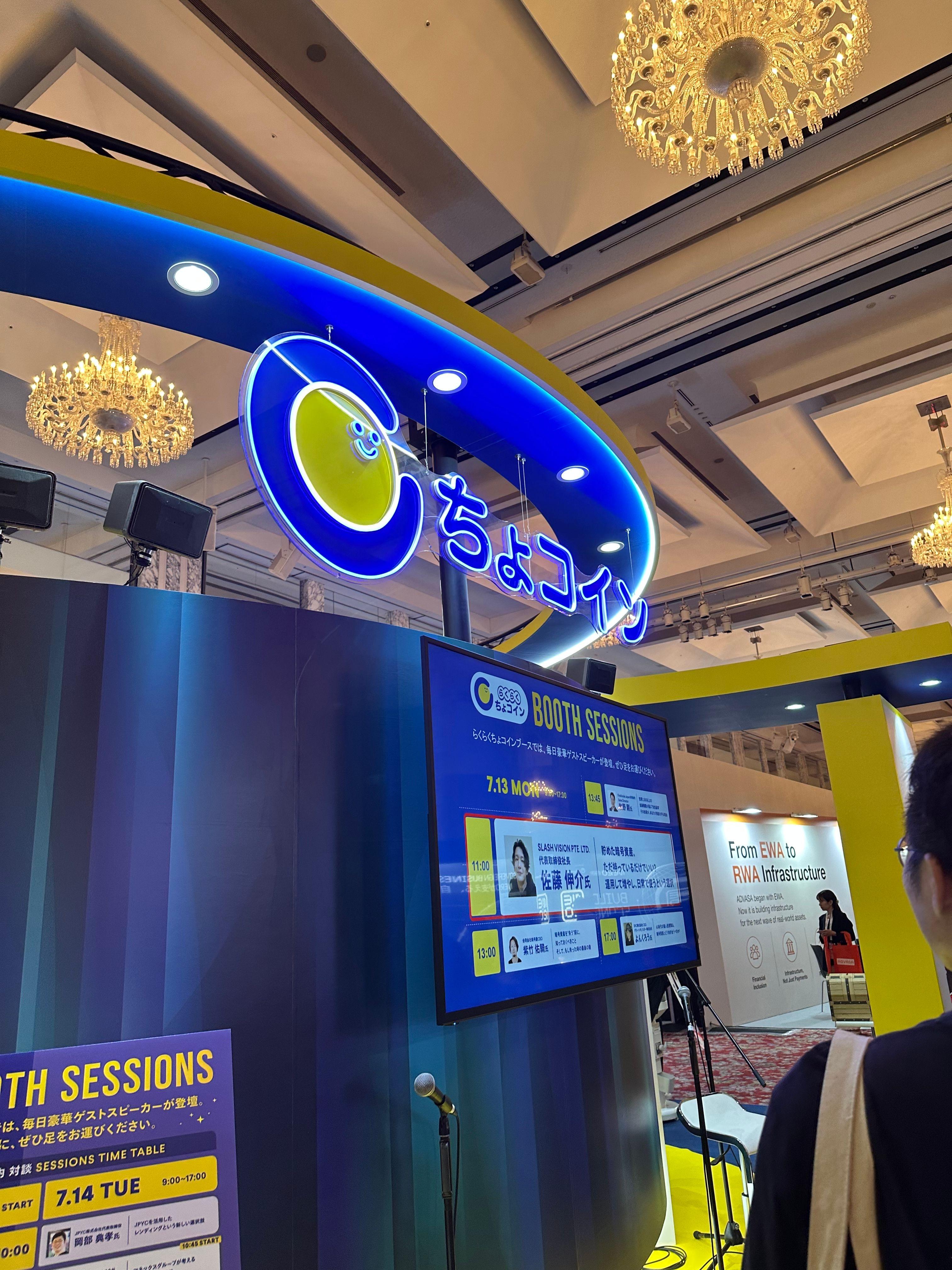
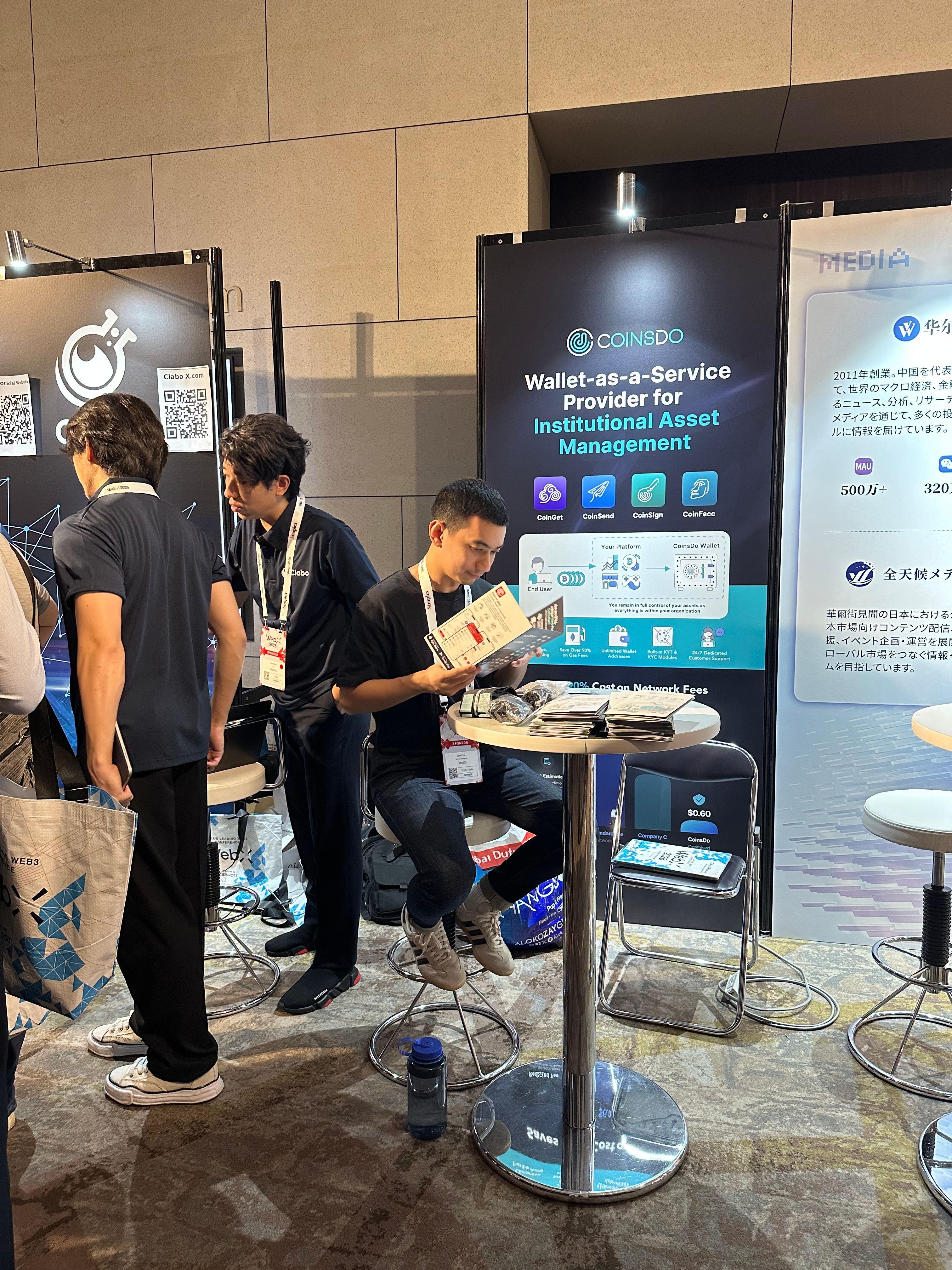
Being on the ground in Tokyo for WebX 2026 was an incredible experience for the entire CoinsDo team. The energy across the exhibition floor was electric, with builders, regulators, and industry leaders coming together to shape the next era of digital asset infrastructure. Connecting face-to-face with our partners and community against the backdrop of such pivotal regulatory movements made this one of our most inspiring conference appearances yet
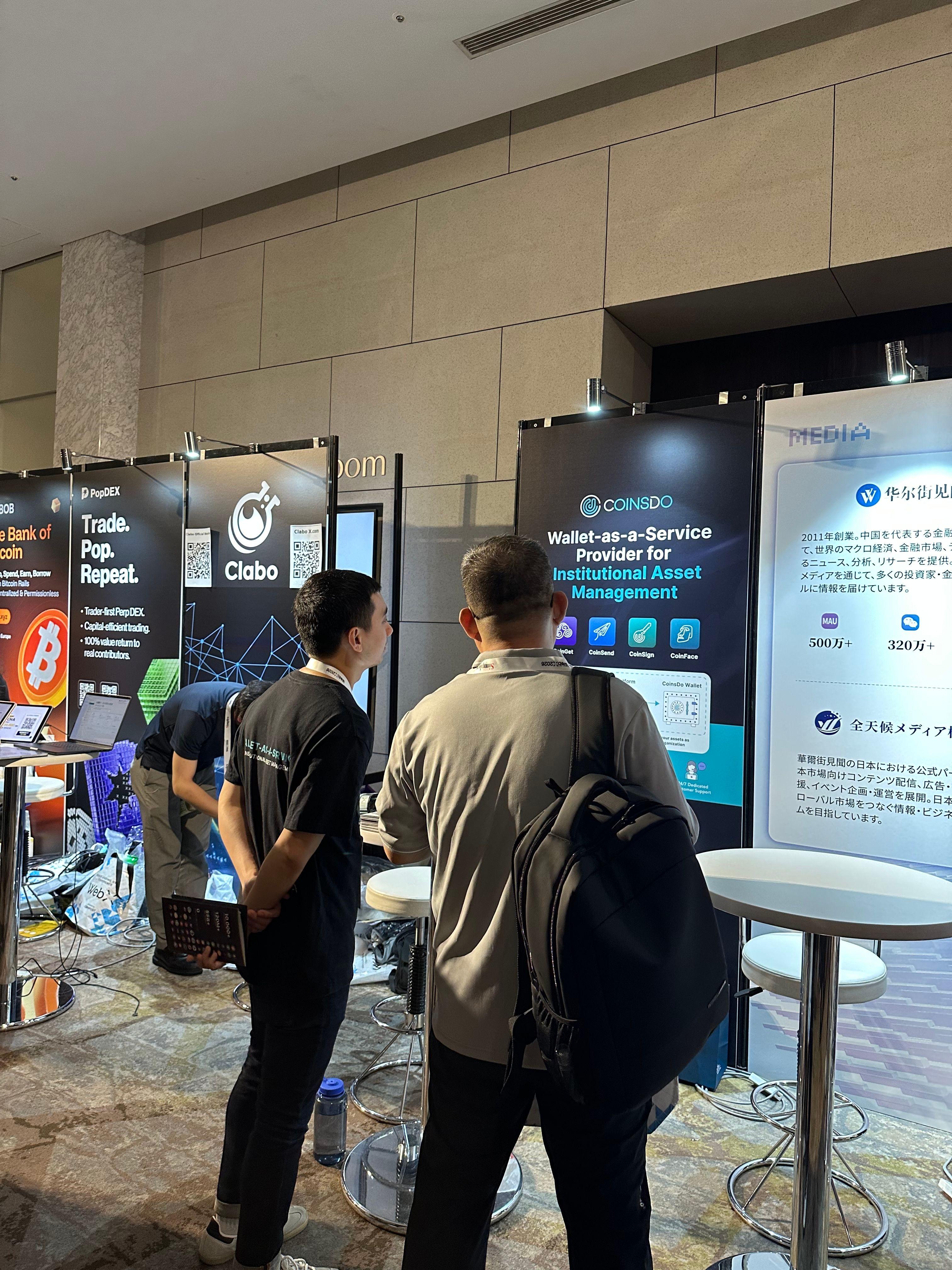
Great to be here
Fun little souvenir for the road!



FAQ
Did Japan classify crypto as a security in 2026? No. Act No. 64 of 2026 moves crypto asset trading from the Payment Services Act into the Financial Instruments and Exchange Act, but positions crypto assets as a financial product category distinct from securities. Disclosure rules apply only to "specified crypto assets" that have an identifiable issuer.
When does Japan's new crypto regime take effect? The Act was promulgated on 23 July 2026 and commences on a date set by cabinet order within one year, so no later than 23 July 2027. Penalty increases for unregistered operators and expanded SESC investigative powers took effect earlier, 20 days after promulgation.
Do crypto custody providers need a licence in Japan now? Yes. Custody for others is included within the new 暗号資産取引業 registration under FIEA, regulated at a standard equivalent to Type I financial instruments business. Custody-only providers that previously registered under the Payment Services Act must register under FIEA.
What is the new rule for wallet software vendors in Japan? Providers of systems used to manage crypto assets must file an advance notification with the FSA and meet duties of care and information security management. Registered trading operators may only use notified providers, and the FSA can issue business improvement or discontinuation orders.
What is Japan's crypto tax rate in 2026? Separate taxation at 20.315 percent was enacted on 31 March 2026, replacing miscellaneous income treatment that reached 55.945 percent. It applies to transfers of specified crypto assets made on or after 1 January of the year following FIEA commencement, so 2028 on the current expected timetable.
Are stablecoins covered by Japan's FIEA amendment? No. Stablecoins remain regulated as electronic payment instruments under the Payment Services Act. Japan's first yen stablecoin, JPYC, launched under that regime in October 2025, and the first trust-type yen stablecoin launched in June 2026.