July 15, 2026
Your withdrawal queue is backing up. Gas on the network just jumped, the fee you set yesterday no longer clears a block, and pending transactions are stacking while support tickets start arriving.
Here is the short answer. Gas price spikes do not stop withdrawals from being possible, they stop withdrawals that rely on fixed fees and manual sign-off. A transaction priced below the current market rate sits in the mempool until the fee clears or the operator raises it by hand.
Crypto gas fee management fixes this by setting fee thresholds and automatic acceleration ahead of time, so the queue keeps clearing without anyone touching a dashboard. That is the difference between a slow hour and a stalled day.
The cost of getting caught flat-footed is measurable. During Binance's outage in 2021, trading throughput ran at only about 20% of the expected level. When withdrawal infrastructure cannot keep up with congestion, the volume you can actually clear collapses to a fraction of normal, and every stuck transaction is a user who cannot move their funds.
Why does a gas price spike stall a withdrawal queue?
A pending transaction carries a fee. Validators order transactions by fee, highest first, so a transaction priced below the going rate waits. When gas jumps three or five times in minutes, every transaction you queued at the old rate falls behind newer, higher-paying ones. None of them are rejected. They simply wait.
That wait is where the damage happens. Each delayed withdrawal is a user refreshing a confirmation page, then opening a ticket. The transactions are valid and the funds are available. The only thing missing is a fee high enough to clear the current block. Manual fee management means an operator has to notice the spike, decide a new fee, and re-broadcast, all while the queue keeps growing.
The spike did not break sending. It broke the human process around sending.
How does crypto gas fee management keep withdrawals clearing?
The mechanism is fee-threshold dispatch. You set a fee level in advance, and the system holds or releases each transaction against it automatically. Below the threshold, transactions release immediately. When gas climbs past a level you would rather not pay, transactions hold instead of clearing at a cost you never approved. No one has to watch a chart to make that call.
CoinSend Gas Fee Controls put this in place. You automate dispatch based on fee thresholds, so transactions hold or release against a fee level you set, which avoids paying unnecessary cost during a spike while keeping the queue moving when rates are normal. CoinSend runs withdrawals automatically, 24/7, so the dispatch logic holds whether or not anyone is at a desk.
Acceleration handles the other side. For EVM-chain collection, CoinGet offers optional Auto-Accelerated EVM Sweeping, automatic transaction acceleration with a per-transaction acceleration history so you can see what was sped up and when.
Together, threshold dispatch decides what clears at what price, and acceleration speeds up the transactions that need to move now.
How do stale approvals make a gas spike worse?
A congestion event stretches the time between approval and clearing. An approval signed when gas was low can still be sitting unsent when the spike hits, and now it clears at a rate no one signed off on, or it lingers in a state nobody is watching.
CoinSend Approval Expiry Controls put a configurable expiry on approvals, so a stale approval does not sit through a congestion window. If an approval is not sent before it expires, it drops out instead of clearing at a price that no longer reflects what was agreed.
That keeps the queue made of fresh, intentional transactions rather than leftovers from a calmer hour.
What crypto gas fee management should you configure before a congestion event?
Set your fee thresholds first, because that is the control that decides what clears and what waits without anyone intervening. Turn on auto-acceleration for EVM sweeping so collection keeps pace when the network is busy. Set approval expiry windows so nothing stale clears at a surprise price. These are settings you put in place once, during a calm hour, not decisions you make under pressure mid-spike.
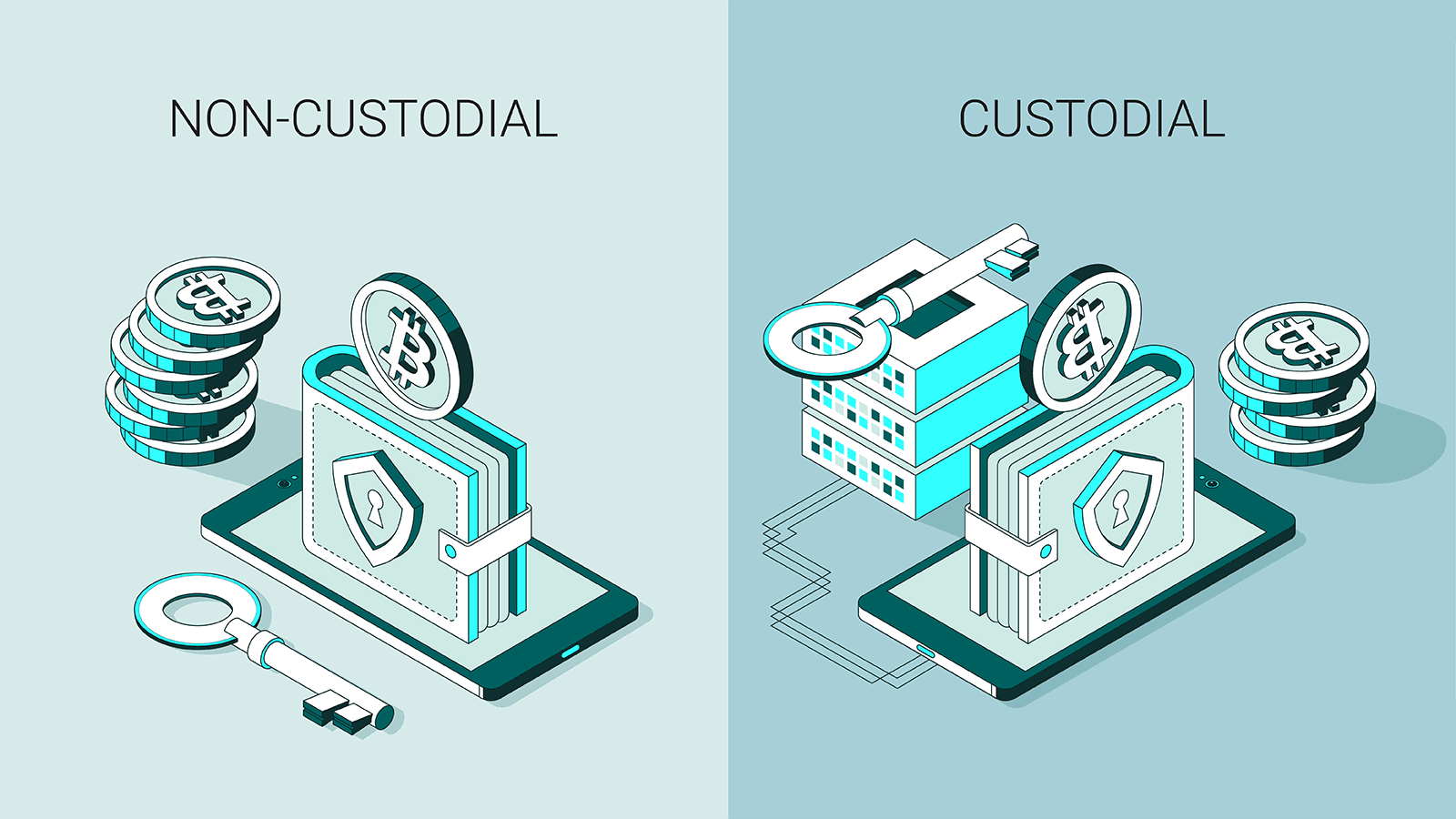
The platform model matters here too. You control your keys, CoinsDo never holds private keys, and the system is API-first with no node infrastructure to run. The gas controls sit on top of that, so pre-configuring them is a settings change, not an integration project.
FAQ
Do gas price spikes stop crypto withdrawals entirely?
No. A spike does not block withdrawals, it delays any transaction priced below the current market fee. Those transactions wait in the mempool until the fee clears or an operator raises it. Pre-set fee controls clear them without manual work.
What is crypto gas fee management for an exchange?
It is the practice of setting fee thresholds and acceleration rules ahead of time so withdrawals clear at acceptable cost during congestion. Instead of an operator pricing each transaction by hand during a spike, the system holds or releases against limits you set in advance.
How do automated gas fee controls handle a spike?
They hold or release each transaction against a fee level you set. Below your threshold, transactions clear right away. Above it, they hold rather than paying a cost you never approved, so a spike never forces an unplanned overspend on fees.
What does approval expiry do during congestion?
It drops approvals that were not sent within a window you set. During a spike, an old approval could clear at a rate no one signed off on. Expiry removes that risk by keeping the queue made of fresh, intentional transactions.
Does gas acceleration work on every chain?
Auto-Accelerated EVM Sweeping covers EVM-chain collection in CoinGet, with a per-transaction acceleration history so you can see what was sped up and when. It is an optional setting; coverage outside EVM chains is configured separately per network.
The verdict
Gas spikes are a recurring network condition, not a rare emergency, and the 2021 Binance crash showed how fast infrastructure buckles when it is run by hand under load. Exchanges that pre-set dispatch thresholds and fee acceleration hold up through congestion. The ones relying on manual intervention spend the spike raising limits while users file tickets. Configure these controls during a calm hour, not in the middle of the next one.
For the infrastructure decision behind this, read how to automate withdrawals for blockchain institutions and how a crypto payout API handles withdrawal volume under load